
Ipamorelin
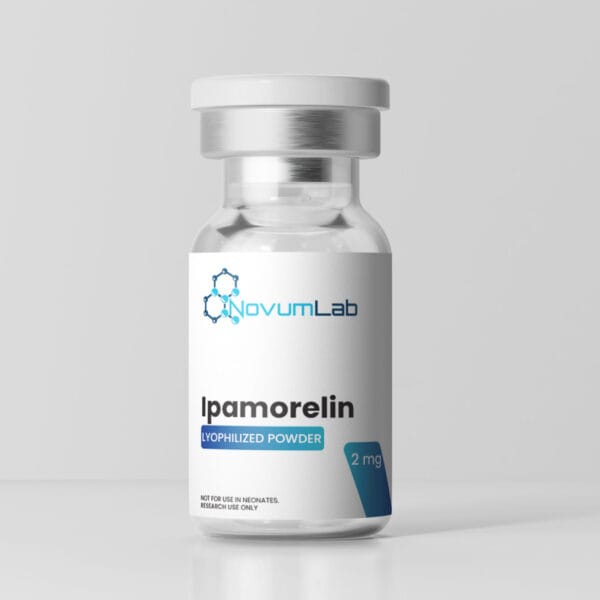
Ipamorelin is a selective pentapeptide growth hormone secretagogue. Investigated in endocrine research for its selective GH release properties without significant effect on other hormonal axes. Lyophilized powder. Purity ≥98% (HPLC). For in-vitro research use only.
22,90 € – 58,90 €Price range: 22,90 € through 58,90 €
* The information on this page is a summary and is not intended to cover all available information about this product. It does not cover all possible uses, directions, precautions, interactions or adverse effects and is not a substitute for the expertise and judgement of a professional.
Ipamorelin — Selective Growth Hormone Secretagogue
Ipamorelin is a synthetic pentapeptide growth hormone secretagogue. It is notable for its selectivity in stimulating growth hormone release without significantly affecting other pituitary hormones such as ACTH, cortisol, or prolactin.
Research Background:
Ipamorelin has been investigated in endocrine research for its selective GH-releasing properties. Published studies have demonstrated its selectivity compared to other GH secretagogues like GHRP-6 and GHRP-2.
The peptide was originally developed by Novo Nordisk and has been studied in early-phase clinical trials. In the research context, Ipamorelin is widely used as a reference GH secretagogue due to its clean selectivity profile.
Compound Information:
- Sequence: Aib-His-D-2-Nal-D-Phe-Lys-NH₂ (pentapeptide)
- CAS Number: 170851-70-4
- Classification: Selective synthetic GH secretagogue
Product Specifications:
- Form: Lyophilized (freeze-dried) powder
- Purity: ≥98% (HPLC verified)
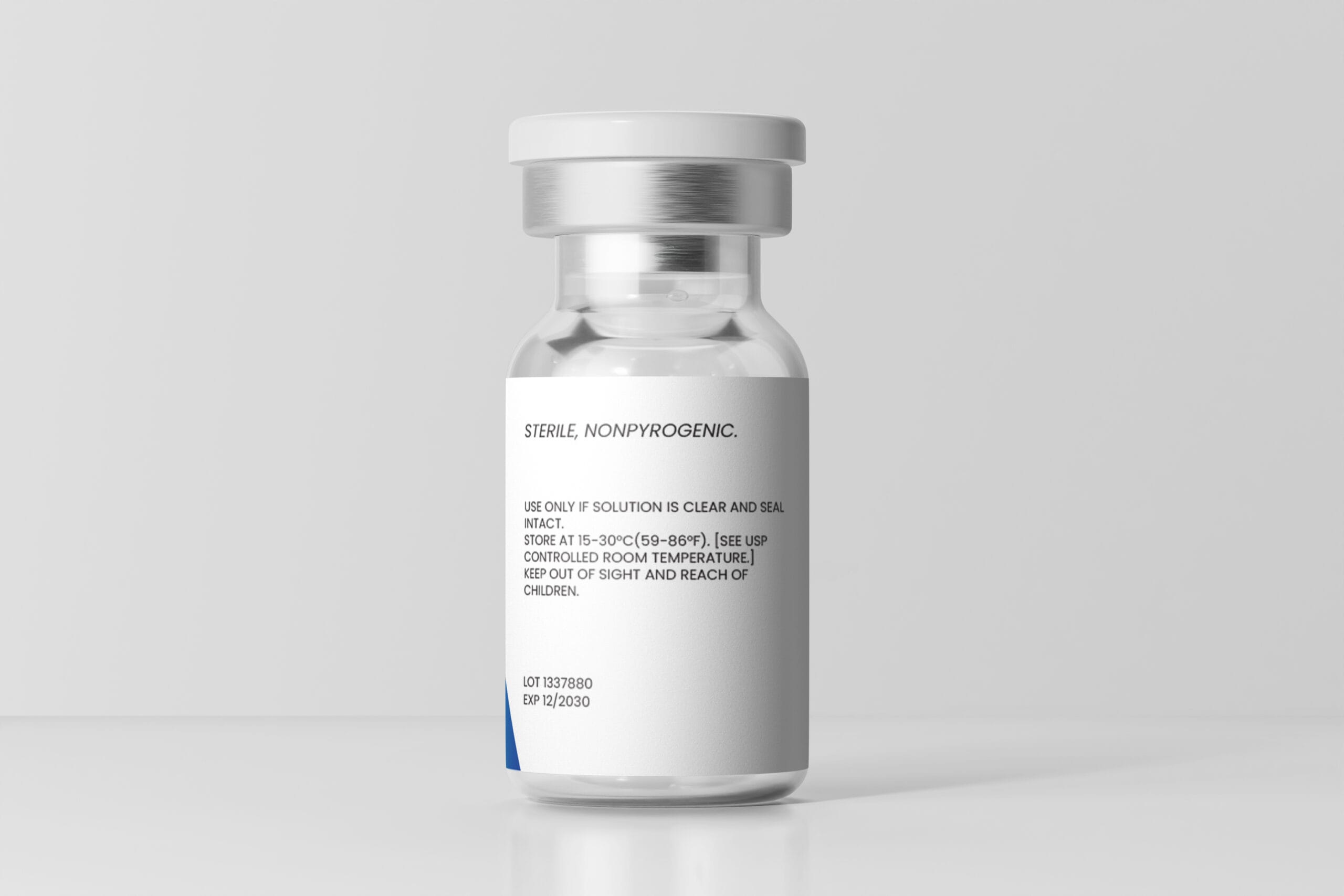
- Container: Type I Borosilicate Glass Vial
- Storage: -20°C recommended, 2-8°C for short-term
- Reconstitution: Bacteriostatic water or sterile water
- Manufacturer: NovumLab
- Quality Control: Each batch independently tested
- Intended Use: In-vitro laboratory research only
This product is not a drug, food, or cosmetic and should be handled by qualified professionals in laboratory conditions. All product information is provided for educational purposes only. The product is not a food or dietary supplement and is not suitable for human consumption. For in-vitro research use only.
Frequently asked questions
Peptides are sold as research compounds for laboratory and research purposes and do not require a prescription. You can order freely.
Lyophilized peptides should be stored at -20°C or lower for long-term storage. For optimal preservation, store at -80°C if available. Keep peptides in their original sealed vials away from light, moisture, and temperature fluctuations.
Important tips:
- Allow vials to reach room temperature in a desiccator before opening to prevent moisture absorption
- Avoid repeated freeze-thaw cycles - only remove from freezer when ready to use
- Store in airtight containers with desiccant packs to prevent moisture exposure
- Keep away from direct light - use amber vials or wrap in aluminum foil
- Properly stored lyophilized peptides can remain stable for 2-4 years
Once reconstituted with bacteriostatic water, peptides should be stored at 2-8°C (refrigerator) and used within 2-4 weeks for optimal potency. Some peptides may remain stable for up to 8 weeks when properly refrigerated.
Storage guidelines for reconstituted peptides:
- Refrigerator storage (2-8°C): 2-4 weeks recommended maximum
- Freezer storage (-20°C): Possible but not recommended due to freeze-thaw damage
- Peptides containing Met, Cys, or Trp have shorter shelf life due to oxidation
- Peptides containing Asn, Gln are more prone to degradation in solution
- Create multiple aliquots to avoid repeated freeze-thaw cycles if freezing is necessary
Note: We recommend using reconstituted peptides within 2 weeks when possible, as potency gradually decreases over time.
Always use bacteriostatic water (BAC water) containing 0.9% benzyl alcohol for reconstituting peptides intended for multiple doses. Bacteriostatic water prevents bacterial growth and maintains sterility over several weeks of use.
Water types comparison:
- Bacteriostatic Water (RECOMMENDED): Contains 0.9% benzyl alcohol preservative, multi-use safe, prevents contamination, stable for 28 days after first puncture
- Sterile Water: No preservative, single-use only, risk of contamination with multiple punctures, not recommended for peptides
- Tap Water (NEVER USE): Contains impurities, minerals, chlorine, bacteria - will destroy peptides and cause contamination
- Distilled/Boiled Water (NOT RECOMMENDED): Not sterile, lacks antimicrobial properties, risk of bacterial growth
Use this simple formula to calculate dosage:
Concentration = Total mg in vial ÷ Total ml of water added
Example calculation:
- You have: 5mg BPC-157 vial
- You add: 2ml bacteriostatic water
- Concentration: 5mg ÷ 2ml = 2.5mg/ml
- If your dose is 250mcg (0.25mg): 0.25mg ÷ 2.5mg/ml = 0.1ml (10 units on insulin syringe)
Common reconstitution volumes:
- 2mg vial + 2ml water = 1mg/ml concentration
- 5mg vial + 2ml water = 2.5mg/ml concentration
- 10mg vial + 2ml water = 5mg/ml concentration
Tip: Use our online peptide calculators or create a dosing chart when you reconstitute to avoid calculation errors.


Reviews
Clear filtersThere are no reviews yet.